
5 Ways to Treat Achilles Tendon Injuries

November 4, 2026

Achilles tendon injuries affect the strong band connecting your calf muscles to your heel. They may cause pain, stiffness, swelling, or a sudden “pop” after overuse or trauma. Early evaluation helps identify Achilles tendonitis, a partial tear, or a rupture so treatment can begin before the condition worsens.

Achilles tendon injuries evaluation and treatment

What causes Achilles tendon injuries?

The Achilles tendon absorbs significant force whenever you walk, run, jump, or climb stairs. An injury can develop gradually from repeated stress or happen suddenly during sports and other activities.

Common risk factors include:

  • Increasing exercise intensity too quickly
  • Running or jumping on hard surfaces
  • Tight calf muscles or limited ankle flexibility
  • Wearing unsupportive or inappropriate footwear
  • Age-related tendon weakening

Conditions such as flat feet, obesity, diabetes, and previous tendon problems may also increase strain. Athletes are especially vulnerable, but Achilles tendon injuries can affect anyone.

What are the symptoms of Achilles tendonitis or a tear?

Symptoms vary based on the type and severity of injury. Achilles tendonitis often causes pain and stiffness that develop gradually, while a rupture typically causes sudden, severe symptoms.

Watch for:

  • Pain above the heel, especially during activity
  • Morning stiffness or tenderness along the tendon
  • Swelling or thickening of the tendon
  • A sudden snap or popping sensation
  • Difficulty walking, pushing off, or standing on your toes
  • Bruising near the ankle or heel

Severe pain, a visible gap in the tendon, or an inability to push off the foot may indicate a rupture. Seek prompt medical attention rather than trying to “walk it off.”

How are Achilles tendon injuries diagnosed?

A podiatrist will review your symptoms, activity level, medical history, and the event that caused the pain. During an examination, the provider may assess tenderness, swelling, strength, ankle movement, and your ability to walk or rise onto your toes.

Imaging can help clarify the diagnosis. Ultrasound may show tendon thickening or a tear in real time, while MRI can provide detailed images of the tendon and surrounding structures. X-rays do not show the tendon itself, but they may identify bone spurs or other conditions contributing to symptoms.

Accurate diagnosis matters because treatment for mild Achilles tendonitis differs from treatment for a partial tear or complete rupture.

Podiatrist reviewing Achilles tendon imaging with a patient

What are the best treatments for Achilles tendon injuries?

Treatment depends on the injury’s location, severity, duration, and your goals. Conservative care is often effective for tendonitis and less severe tears.

1. Activity modification

Temporarily reducing running, jumping, hills, and other painful activities can decrease tendon stress. Low-impact options such as swimming or cycling may be appropriate, depending on your symptoms.

2. Physical therapy and stretching

A guided rehabilitation plan may include calf stretching, strengthening, balance exercises, and progressive eccentric loading. Exercises should be introduced gradually because advancing too quickly can delay healing.

3. Supportive footwear and orthotics

Shoes with appropriate cushioning and support may reduce pressure on the tendon. Custom orthotics can help improve foot mechanics when overpronation or another alignment issue contributes to strain.

4. Shockwave therapy and other advanced care

For persistent tendon pain, your podiatrist may discuss extracorporeal pulse activation technology, also called EPAT or shock wave therapy . This non-invasive option uses acoustic energy to support circulation and the body’s healing response.

5. Surgical evaluation for major tears

A complete rupture or severe tear may require immobilization, specialist referral, or surgery. The best approach depends on factors such as age, activity level, tendon separation, and overall health. Early evaluation helps you understand your options.

How can South Texas Podiatry help?

South Texas Podiatry provides individualized foot and ankle care for patients in San Antonio and surrounding communities. Dr. Ed Davis and Dr. Silas Espino evaluate the underlying cause of pain and create a treatment plan based on your condition and lifestyle.

Care may include:

  • Physical examination and diagnostic imaging
  • Activity and footwear recommendations
  • Conservative treatment planning
  • Orthotic guidance
  • Rehabilitation or referral when appropriate
  • Advanced non-invasive options for persistent tendon pain

If Achilles pain is affecting your walking, work, exercise, or sleep, explore our Achilles Tendonitis care page or contact the practice to request an evaluation. Related ankle symptoms may also benefit from our information on ankle pain and sports injuries .

When should you see a podiatrist?

Schedule an appointment for pain that persists, returns with activity, or gradually worsens. Prompt care is especially important if you notice swelling, bruising, weakness, or difficulty pushing off the foot.

Seek urgent evaluation after a sudden pop, severe pain, or inability to walk normally. A rupture can become more difficult to treat if diagnosis is delayed.

Until you are evaluated, avoid painful exercise and do not aggressively stretch an acutely injured tendon. Rest, elevation, and a wrapped cold pack may help with discomfort. Avoid placing ice directly on the skin.

Frequently asked questions

Can Achilles tendon injuries heal without surgery?

Many cases of Achilles tendonitis and some partial tears improve with activity modification, rehabilitation, supportive footwear, and medical supervision. Complete ruptures and severe tears require prompt evaluation to determine whether surgery or another treatment is appropriate.

How long does Achilles tendonitis take to heal?

Mild symptoms may improve within several weeks, while chronic or more severe tendon problems can require months of gradual rehabilitation. Recovery depends on the extent of injury, consistency with treatment, and whether contributing factors are addressed.

Is it safe to keep exercising with Achilles pain?

Do not continue an activity that causes sharp or worsening pain. Your provider may recommend temporary low-impact exercise, but returning to running or jumping should be gradual and guided by symptoms and strength.

What is the difference between tendonitis and an Achilles rupture?

Tendonitis usually develops through irritation and overuse, causing gradual pain and stiffness. A rupture is a partial or complete tear that may cause a sudden pop, bruising, weakness, and difficulty pushing off the foot.

Take the next step toward recovery

Achilles tendon injuries are easier to manage when they are evaluated early and treated according to their severity. Persistent pain may respond to activity changes, rehabilitation, footwear support, orthotics, or advanced non-invasive therapy, while sudden weakness or a popping sensation requires prompt assessment. If Achilles pain is limiting your everyday movement or exercise, schedule an evaluation with South Texas Podiatry. The next step is to identify the cause, compare appropriate treatment options, and follow a gradual plan that supports safe recovery.

Pediatric foot injuries evaluation for a child athlete
October 21, 2026
Learn how to recognize pediatric foot injuries, provide safe first aid, and know when to call a San Antonio podiatrist for evaluation and treatment.
Sports medicine in podiatry foot and ankle evaluation
October 8, 2026
Learn how sports medicine in podiatry treats foot and ankle injuries, prevents setbacks, and helps athletes return to activity safely.
By Abby Brauer • October 1, 2026
Ru nning is a great way to stay active, but every step places pressure on your feet and ankles. Whether you are preparing for a race or enjoying a casual jog, strengthening and stretching your feet can help support your stride and reduce strain. The Mayo Clinic recommends including strength training, an active warm-up, supportive running shoes, and adequate recovery in a well-rounded running routine.

TRICARE podiatry care in San Antonio with a podiatrist evaluating a patient's foot
September 22, 2026
Learn how TRICARE podiatry care in San Antonio works, including referrals, authorizations, covered services, and how to prepare for your visit.

Heel pain treatment consultation in San Antonio
September 15, 2026
Learn how to identify common causes of heel pain, choose the right treatment, and know when to see a San Antonio podiatrist for lasting relief.

A child putting on new sneakers for the school year.
August 28, 2026
Prepare for the new school year with our expert guide to pediatric foot health. Learn about proper footwear, injury prevention, and when to see a podiatrist.

High-quality custom orthotic shoe insert for foot support
July 21, 2026
Discover how custom orthotics can relieve heel pain, improve posture, and enhance athletic performance. Learn why precision-crafted inserts from South Texas Podiatry beat over-the-counter options for long-term foot health.
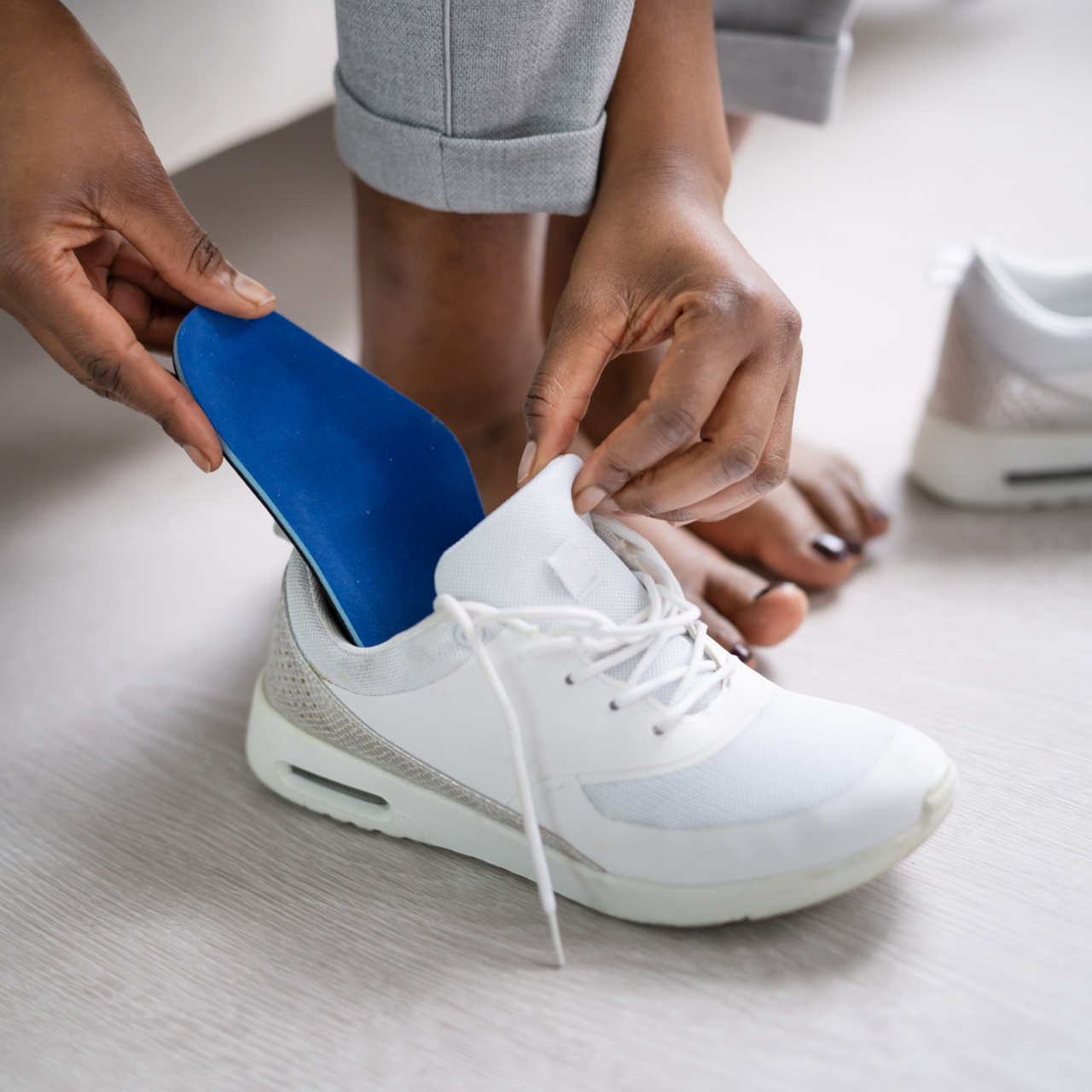
Hands inserting a blue insole into a white sneaker on a light floor
By VIV Builder • July 17, 2025
Custom orthotics provide tailored foot support for pain relief. Schedule an appointment with our specialists for personalized care.

A woman is walking down a path in a park.
By VIV Builder • April 10, 2025
April is National Foot Health Awareness Month. Prioritize your foot health with expert care. Schedule your appointment today!
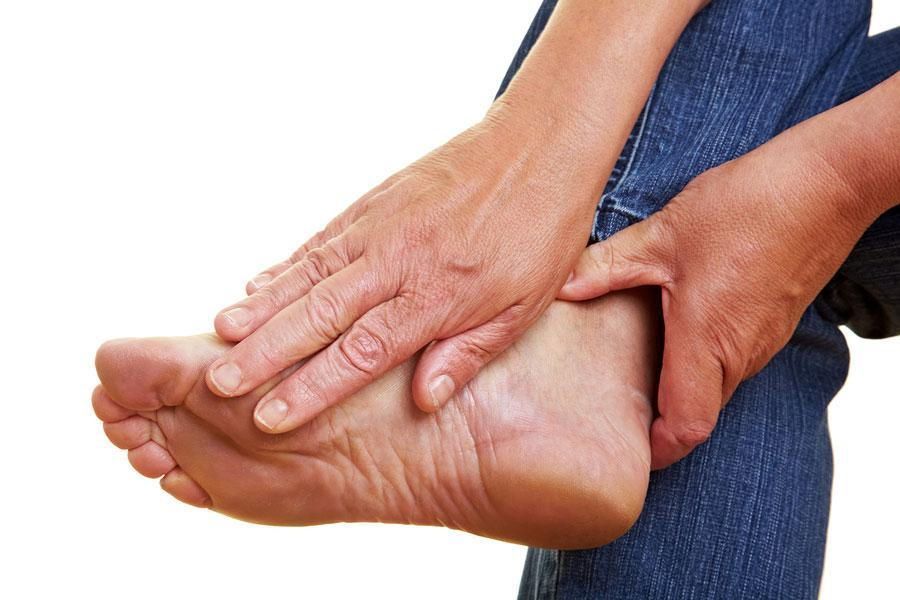
A person is holding their foot in pain.
By VIV Builder • April 25, 2018
Learn about hammertoes, their causes, and treatments. Contact us for expert care and relief from foot pain today!

Show More