How to Start the School Year on the Right Foot
Starting the new school year on the right foot means focusing on proper footwear, early detection of issues like flat feet, and preventing sports injuries. A successful academic year begins with ensuring your child's feet are supported, pain-free, and ready for increased activity in the classroom and on the field.
Why is foot health important for the school year?
As the summer heat begins to wane and the school buses return to the streets of San Antonio, parents often focus on school supplies and new clothes. However, one of the most critical aspects of back-to-school preparation is ensuring your child has healthy, pain-free feet. Foot health is the literal foundation of a child's physical well-being. When a child experiences foot discomfort, it doesn't just stay in the feet; it can affect their posture, their ability to concentrate in class, and their willingness to participate in physical education or recess. At South Texas Podiatry, we see a significant increase in pediatric foot care visits during this season because the shift from summer sandals to structured school shoes can reveal underlying issues.
A child's foot is not just a smaller version of an adult foot. It is a complex structure of growing bones, ligaments, and tendons that are particularly susceptible to strain. During the school year, children are more active than they might have been during the summer months. Between walking through long hallways, participating in PE, and joining after-school sports, their feet are under constant pressure. If a child has an undiagnosed condition like flat feet or high arches, this increased activity can lead to chronic fatigue and pain. By prioritizing foot health now, you are setting your child up for a year of physical success and comfort.
What are the best shoes for school?
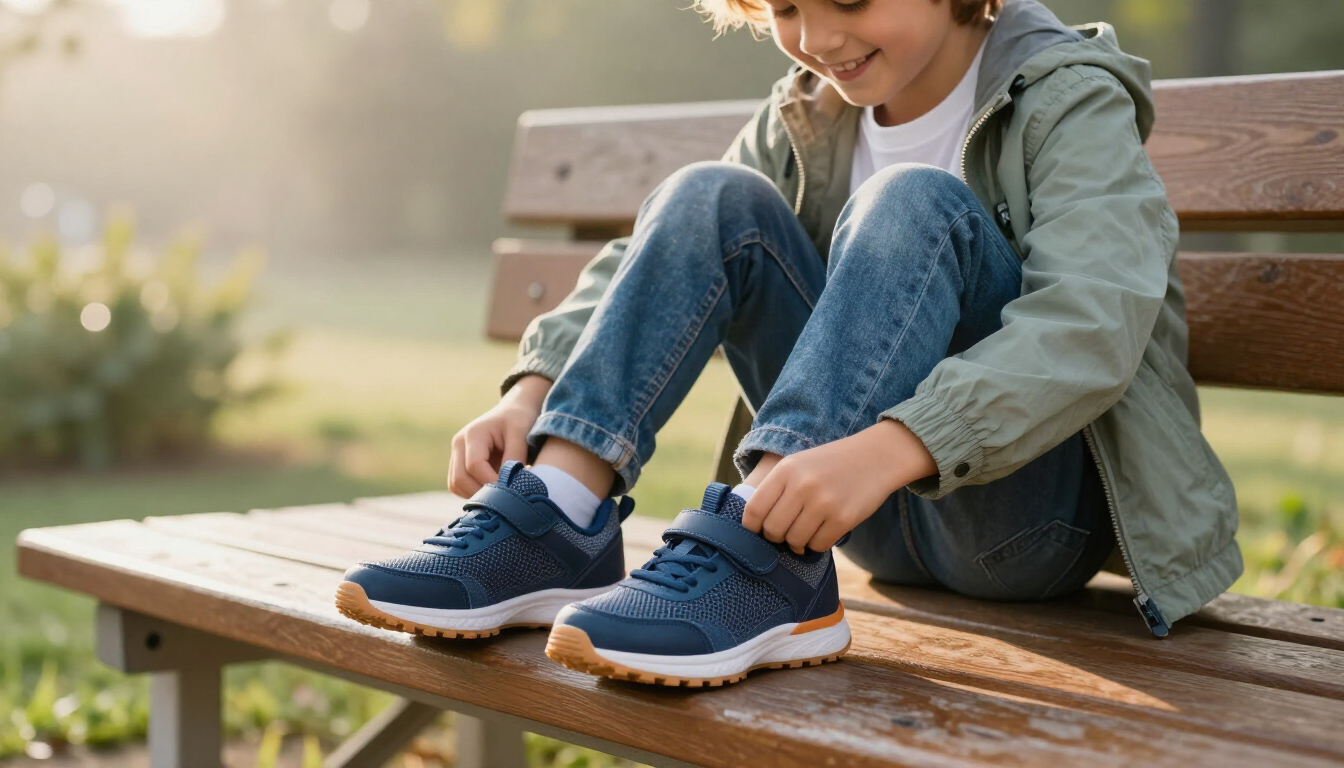
Selecting the right footwear is perhaps the most important decision a parent can make regarding their child’s foot health. While trendy designs and popular brands are often at the top of a student's wish list, the priority should always be support and fit. The best shoes for school are those that provide a stable platform for the foot while allowing for natural movement. When you go shoe shopping, it is best to do so in the late afternoon. This is because feet naturally swell throughout the day, and you want to ensure the shoes remain comfortable even at their largest size. Always have your child’s feet professionally measured, as sizes can vary significantly between different brands.
When evaluating a potential pair of school shoes, consider the following:
- Ensure there is a thumb’s width of space between the longest toe and the end of the shoe.
- Look for a firm heel counter that provides stability and prevents the foot from sliding.
- Check for a flexible forefoot that allows the shoe to bend where the foot naturally bends.
- Opt for breathable materials like leather or high-quality mesh to prevent moisture buildup.
- Avoid completely flat shoes like ballet flats or flimsy flip-flops for daily wear.
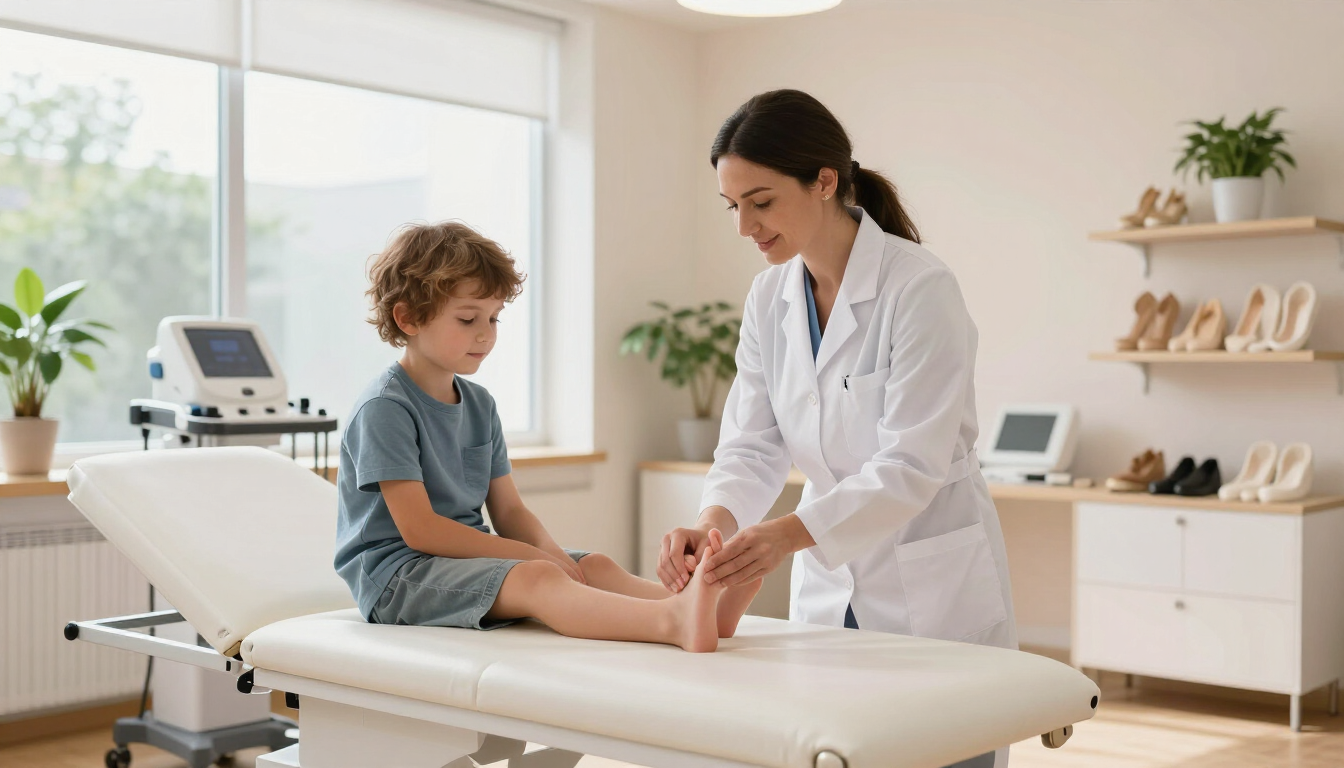
Properly fitting shoes help prevent a variety of issues, from simple blisters to more complex problems like ingrown toenails and calluses . If your child is complaining of discomfort even in new shoes, it may be time to consult with Dr. Ed Davis or Dr. Silas Espino to check for structural issues that require more than just a new pair of sneakers.
Essential Features of Quality Footwear
Quality footwear for students must balance durability with orthopedic support. A common mistake is buying shoes that are slightly too large, hoping the child will "grow into them." However, oversized shoes cause the foot to slide, which leads to friction, blisters, and instability. Conversely, shoes that are too tight can compress the toes, potentially leading to bunions or neuromas later in life. The construction of the shoe should offer arch support that matches the child's foot type. For children with very flat feet, a shoe with a rigid midsole is often necessary to prevent the foot from collapsing inward during the gait cycle.
Beyond fit, the lacing system is vital. Laces allow for a customized fit that can be adjusted based on the thickness of the child’s socks or any minor swelling. Velcro is a great alternative for younger children, provided it can be tightened sufficiently to secure the foot. The outsole of the shoe should provide adequate traction to prevent slips and falls on polished school floors or playground equipment. By investing in high-quality footwear at the start of the year, you reduce the risk of sports injuries and ensure that your child can move confidently through their daily schedule without the distraction of aching feet.
How do I know if my child has growing pains?
The term "growing pains" is frequently used by parents to describe any leg or foot discomfort a child feels, but it is often a misnomer. While children do experience genuine growth-related sensations, persistent pain is never normal and should not be dismissed. True growing pains typically occur in the evening or night and affect both legs, usually in the thighs or calves. If your child is experiencing pain specifically in the heel, the arch, or only in one foot, it is likely not growing pains but an underlying mechanical issue. One common condition we treat at South Texas Podiatry is Sever’s disease, which causes significant heel pain in active children between the ages of 8 and 14.
If you notice any of the following signs, it is time to schedule a professional evaluation:
- Your child is lagging behind during physical activities or sports.
- They are frequently asking to be carried or wanting to sit down during walks.
- There is visible swelling or redness around the joints or heels.
- Your child is walking on their toes or limping in the morning.
- They are complaining of pain that wakes them up from sleep consistently.
Addressing these issues early can prevent them from becoming chronic problems. Dr. Silas Espino specializes in identifying the difference between developmental changes and clinical conditions, ensuring that your child receives the appropriate conservative treatment, such as stretching exercises or physical therapy, to keep them moving comfortably.
Preventing Sports Injuries in School Athletics
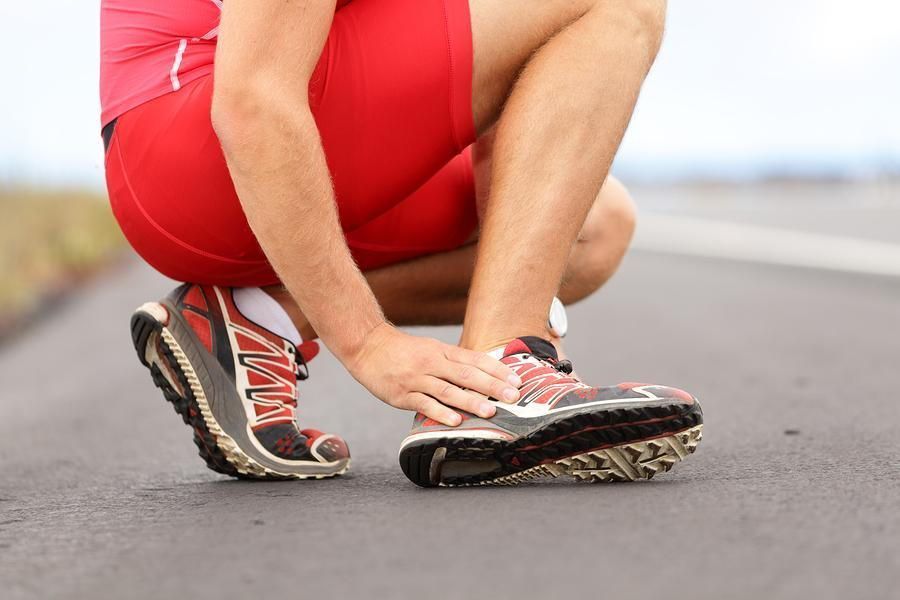
Fall sports like soccer, football, and cross-country are a highlight of the school year for many students. However, the sudden transition from summer relaxation to intense daily practice can be a recipe for sports injuries . Overuse injuries are particularly common in young athletes whose bones and tendons are still maturing. Stress fractures, tendonitis, and ankle sprains are frequent visitors to our clinic during the first few months of school. Prevention starts with a gradual increase in activity rather than jumping into full-intensity training on day one. Ensuring that the child is using sport-specific footwear is also essential; a running shoe does not provide the lateral support needed for basketball or tennis.
Proper warm-up and cool-down routines are non-negotiable for student-athletes. Stretching the Achilles tendon and calf muscles can significantly reduce the risk of Achilles tendonitis and other strain-related injuries. Furthermore, if your child has a history of ankle instability , using supportive bracing or tape during games can provide the extra security needed to prevent a re-injury. At our San Antonio location , we provide comprehensive sports injury management, utilizing advanced diagnostic imaging to get to the root of the pain and creating personalized recovery plans that prioritize a safe return to play.
Is it time for custom orthotics?
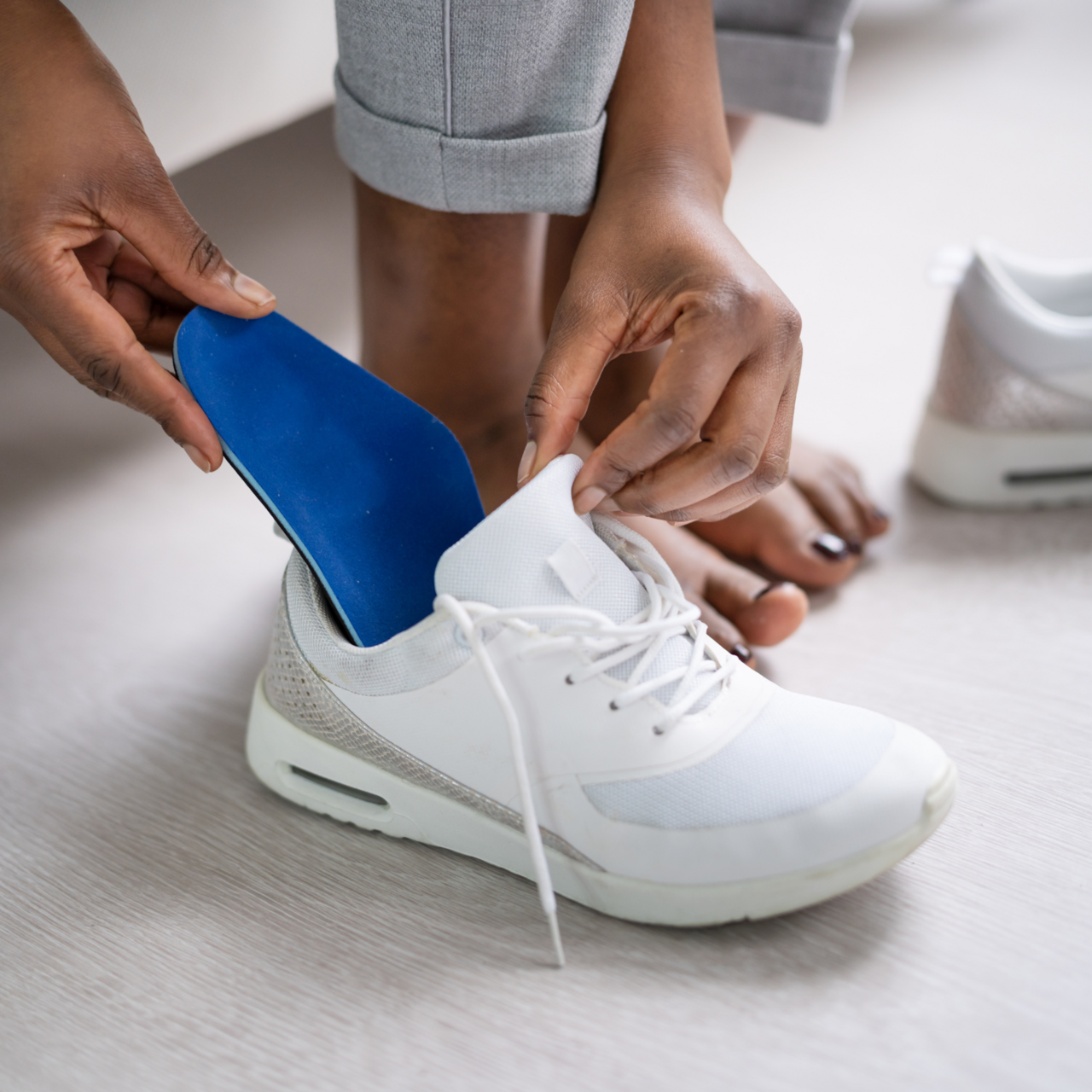
For many children, standard off-the-shelf shoes do not provide enough support for their unique foot structure. This is where custom orthotics become a game-changer. Orthotics are medical devices designed to support and comfort the feet by correcting biomechanical imbalances. Unlike mass-produced inserts found in drugstores, custom orthotics are crafted from a precise mold of your child’s foot. They can help redistribute pressure, align the ankles, and support the arches, which is especially beneficial for children dealing with flat feet or persistent heel pain .
Orthotics can help with several school-related issues:
- Reducing fatigue during long school days spent standing or walking.
- Improving balance and coordination in physical education classes.
- Alleviating pain caused by structural abnormalities like high arches.
- Preventing the progression of deformities in growing feet.
- Enhancing the fit and function of athletic footwear.
If you notice that your child’s shoes are wearing out unevenly—for example, the inner edge of the sole is significantly more worn than the outer edge—this is a strong indicator that their gait is misaligned. A consultation with Dr. Ed Davis can determine if custom orthotics are the right solution to provide your child with the stability they need to navigate the school year pain-free.
Managing Foot Hygiene in School Environments
School environments, especially locker rooms and gym floors, are breeding grounds for fungi and bacteria. Two of the most common issues students face are athlete’s foot and plantar warts . Athlete’s foot is a fungal infection that thrives in warm, damp environments and causes itching, redness, and peeling skin. Plantar warts are caused by the Human Papillomavirus (HPV) and often appear as small, grainy growths on the soles of the feet. Both conditions are highly contagious and can spread easily if children walk barefoot in communal areas. Encouraging your child to wear shower shoes or sandals in the locker room is a simple but effective preventive measure.
Daily foot hygiene should be a part of every student's routine. This includes washing the feet thoroughly with soap and water and, most importantly, drying them completely—especially between the toes—before putting on socks and shoes. Encourage your child to wear moisture-wicking socks made of synthetic blends or wool rather than 100% cotton, which tends to hold moisture against the skin. If your child does develop a stubborn wart, we offer advanced Swift Microwave Therapy , a highly effective and minimally invasive treatment that targets the root of the wart without the need for messy acids or painful freezing.
Back-to-School Foot Health Summary
Preparing for the school year involves more than just buying the right books and backpacks; it requires a proactive approach to your child's physical health. By selecting supportive footwear, monitoring for signs of pain beyond typical growth, and maintaining proper hygiene, you can prevent most common school-related foot issues. Remember that foot pain is not a normal part of childhood and should always be evaluated by a professional. Ensuring your child's feet are healthy will improve their focus, athletic performance, and overall happiness throughout the academic year.
To ensure your child is ready for the challenges ahead, keep these key takeaways in mind:
- Shop for shoes in the afternoon and prioritize fit and support over style.
- Distinguish between nighttime growing pains and persistent localized foot pain.
- Transition into sports gradually to avoid overuse injuries like stress fractures.
- Maintain strict foot hygiene in locker rooms to prevent fungal infections and warts.
- Consult a specialist if you notice abnormal wear patterns on your child's shoes.
If you have concerns about your child's gait, recurring pain, or need expert guidance on footwear, the team at South Texas Podiatry is here to help. Our commitment to conservative and minimally invasive care ensures that your child gets back on their feet as quickly and safely as possible. Contact us today to schedule a back-to-school foot check-up and start the year off right!