
What Is EPAT? Benefits for Foot Pain
EPAT, or Extracorporeal Pulse Activation Technology, is a noninvasive treatment that delivers acoustic pressure pulses to a painful area. These pulses may support circulation, stimulate the body’s healing response, and reduce persistent foot or ankle pain, often without injections or surgery. It is commonly considered for plantar fasciitis, tendon problems, and sports injuries.
What Is EPAT and How Does It Work?
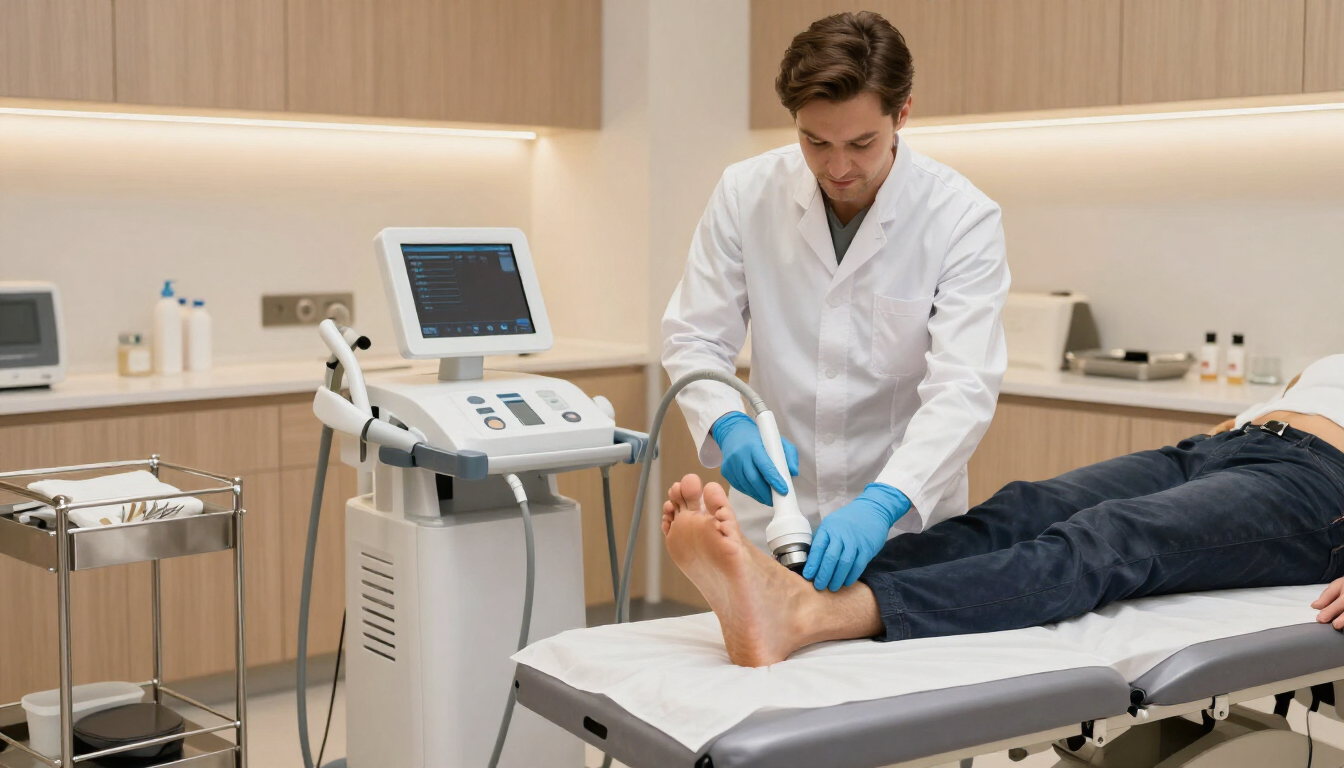
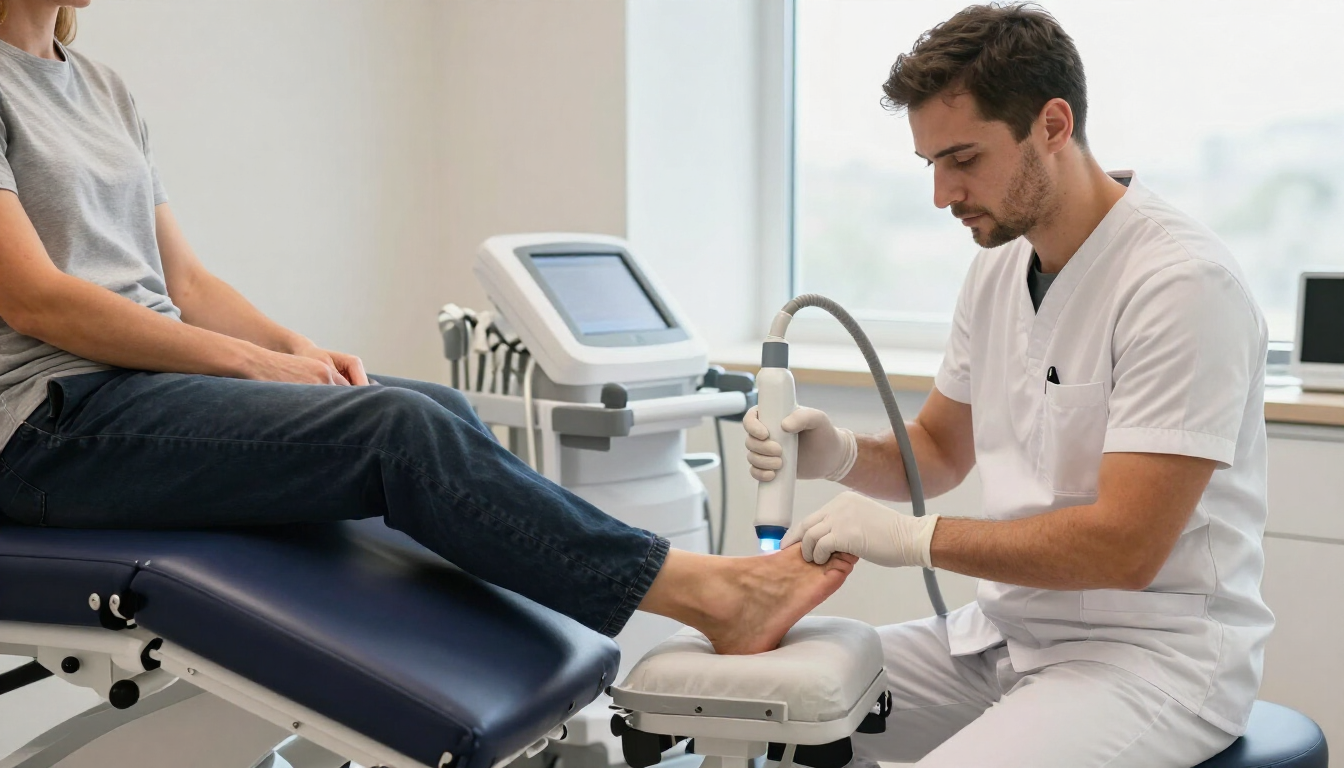
Extracorporeal Pulse Activation Technology, often called EPAT or shock wave therapy, uses a handheld applicator to send controlled acoustic pulses into soft tissue. “Extracorporeal” simply means the energy is delivered from outside the body.
The pulses may help by:
- Increasing local blood flow and circulation
- Supporting tissue remodeling and repair
- Reducing sensitivity in chronically painful tissue
- Encouraging the body’s natural healing processes
Unlike surgery, EPAT does not require an incision. Unlike an injection, it does not introduce medication into the treatment area. Your podiatrist will determine whether it is appropriate based on your symptoms, medical history, examination, and any needed imaging.
Which Foot Conditions Can EPAT Help?
EPAT may be considered when pain has continued despite activity changes, stretching, supportive footwear, physical therapy, or other conservative care. It is commonly discussed for:
- Plantar fasciitis: Persistent pain under the heel, especially with the first steps after rest. Learn more about plantar fasciitis and heel pain .
- Achilles tendon problems: Pain, stiffness, or tenderness near the back of the heel. See our guide to Achilles tendonitis .
- Sports-related injuries: Overuse pain involving tendons and other soft tissues. Explore sports injury care .
- Chronic tendon pain: Symptoms that have not improved with initial conservative treatment.
EPAT is not a universal solution, and results can vary. A focused evaluation helps identify the actual source of pain before treatment begins.
What Are the Benefits of EPAT?
The main appeal of EPAT is that it offers a noninvasive option for selected patients with persistent pain. Potential benefits may include:
- No incision: Treatment is performed externally, so there is no surgical wound.
- Little downtime: Many people return to normal activities soon after a session, although recommendations vary.
- Medication-free treatment: EPAT uses acoustic energy rather than relying on injected medication.
- Targeted care: The applicator can focus on the painful region identified during examination.
- A conservative option: It may fit into a broader plan involving stretching, footwear changes, orthotics, or rehabilitation.
EPAT may be especially useful when symptoms are interfering with walking, exercise, work, or sleep and simpler measures have not provided enough relief. Ask your podiatrist how it compares with other options available through our foot and ankle services .
What Happens During an EPAT Treatment?
An EPAT appointment typically follows a straightforward process:
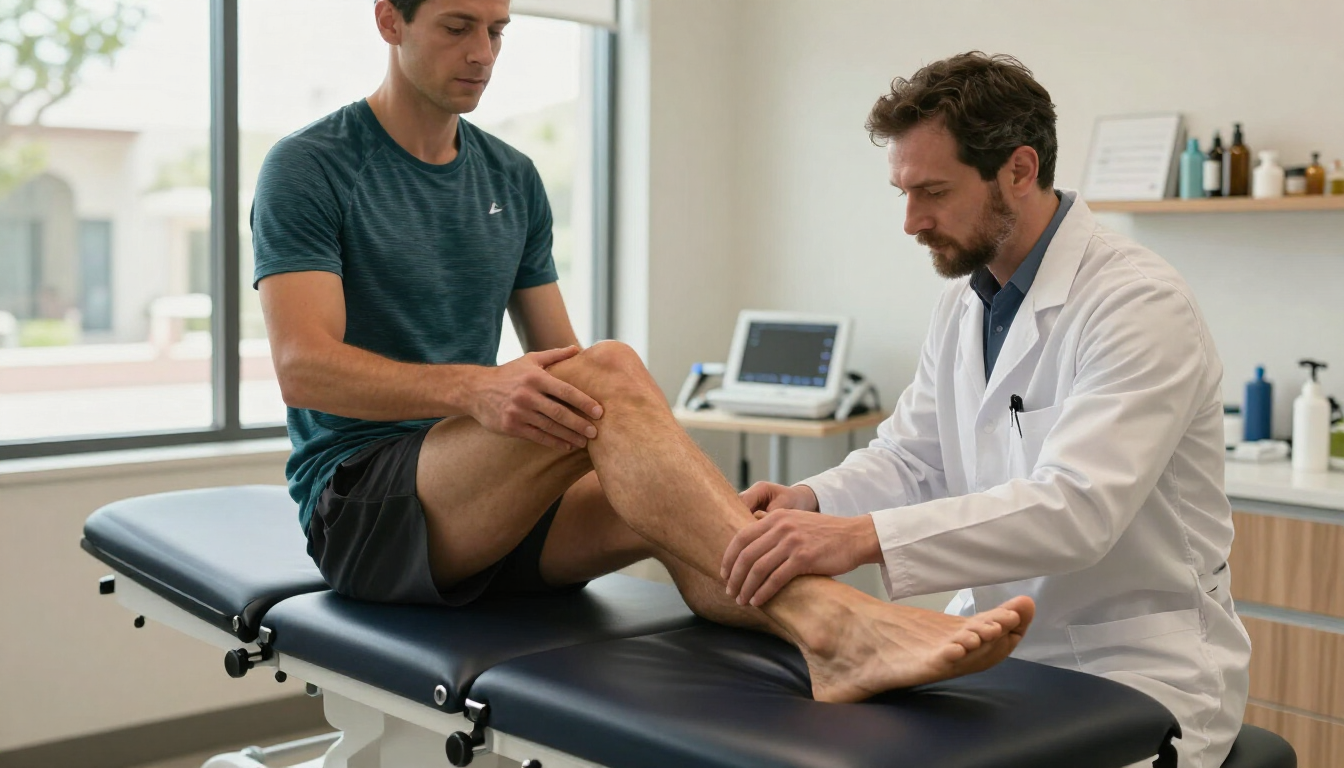
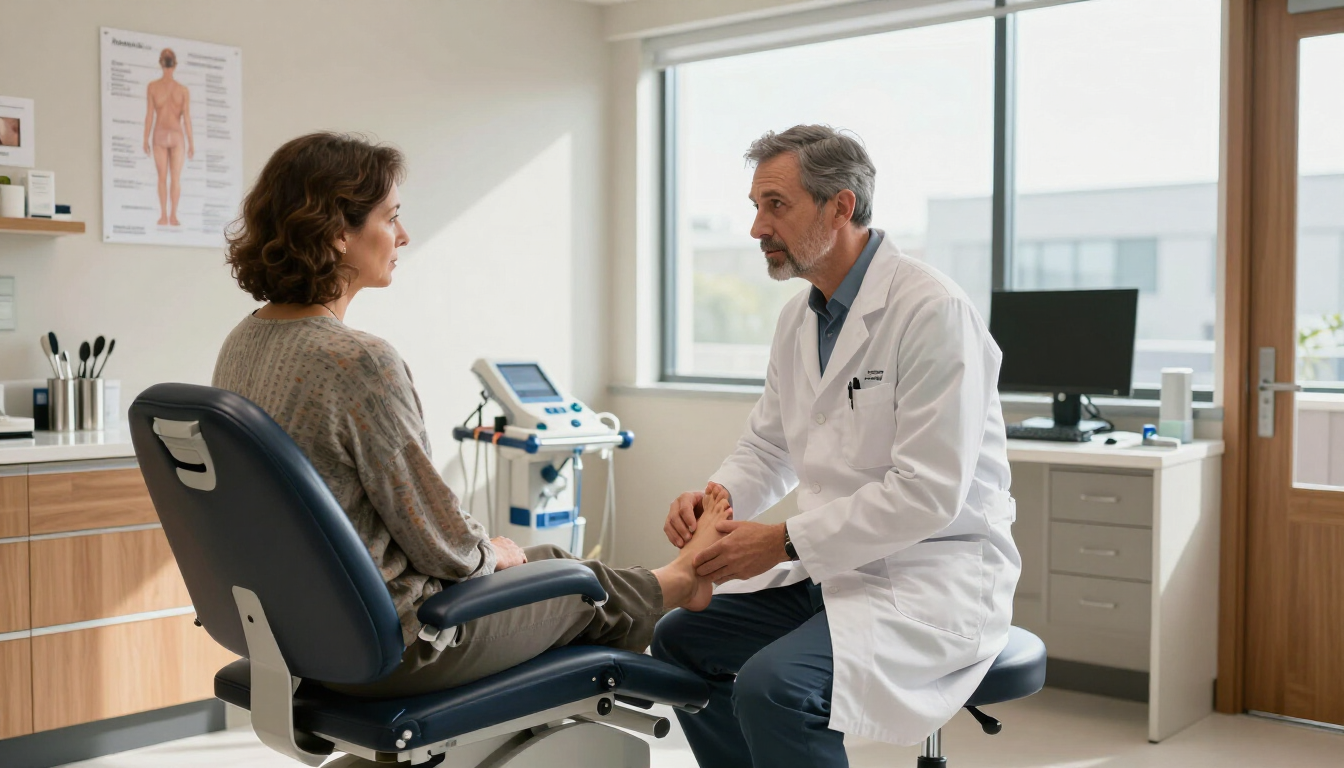
- Evaluation: The podiatrist reviews your symptoms, medical history, activity level, and previous treatments.
- Treatment planning: The painful area is located and the energy settings are adjusted for your condition and comfort.
- Gel application: A small amount of gel may be placed on the skin to help the applicator move smoothly.
- Pulse delivery: The applicator sends acoustic pulses to the selected area. You may feel tapping, pressure, or brief discomfort.
- Aftercare guidance: You receive activity and follow-up recommendations tailored to your needs.
A session is generally brief, but the number of visits depends on the condition, symptom duration, treatment response, and clinical judgment. EPAT is not usually a one-visit promise; improvement may develop gradually as the body responds.
Does EPAT Hurt, and Is There Downtime?
Most patients describe EPAT as tolerable tapping or pressure, although sensitive areas may feel uncomfortable during treatment. The clinician can adjust the intensity when needed. Tell your provider immediately if the sensation becomes too intense.
Many patients do not need significant downtime. However, you may be advised to temporarily limit high-impact exercise or activities that aggravate the treated area. Follow your individualized instructions rather than assuming that “noninvasive” means every activity is appropriate immediately.
Mild tenderness, redness, or temporary soreness can occur. Contact the practice if symptoms seem unusual, severe, or prolonged.
Who May Not Be a Candidate for EPAT?
EPAT may not be appropriate for everyone. Your podiatrist should know if you:
- Are pregnant or may be pregnant
- Have a blood-clotting disorder or use certain blood-thinning medications
- Have an active infection, open wound, or significant skin condition near the treatment area
- Have certain nerve, circulation, or bone conditions
- Have an implanted electronic device or another medical concern requiring special consideration
This list is not complete. A consultation is the safest way to determine whether EPAT is suitable. Patients with diabetes should discuss circulation, sensation, skin health, and wound-healing considerations as part of diabetic foot care .
EPAT Compared With Other Conservative Treatments
EPAT often works best as part of a complete treatment strategy rather than as an isolated procedure. Depending on the diagnosis, your plan may also include:
- Calf and foot stretching or strengthening
- Activity modification and gradual return to exercise
- Supportive shoes or custom orthotics
- Bracing, physical therapy, or home exercises
- Other treatments recommended after examination and imaging
For example, someone with plantar fasciitis may benefit from stretching and supportive footwear alongside a discussion of shock wave therapy. Someone with an ankle injury may need a different plan entirely. Correct diagnosis matters more than choosing a trendy treatment.
Frequently Asked Questions About EPAT
Is EPAT the same as shock wave therapy?
EPAT is a form of acoustic or shock wave therapy used to deliver controlled pressure pulses to soft tissue. Terminology can vary between clinics and devices, so ask which technology is being recommended and why.
How quickly does EPAT work?
Some people notice changes after an early session, while others improve gradually over several weeks. Outcomes depend on the diagnosis, how long symptoms have been present, activity demands, and whether contributing factors are addressed.
Can EPAT replace surgery?
EPAT may help some patients avoid or delay more invasive treatment, but it cannot replace surgery in every situation. The right choice depends on the underlying condition and how it responds to appropriate conservative care.
Should I schedule an EPAT consultation?
Consider an evaluation if foot or ankle pain persists, limits normal activity, or has not improved with initial care. Start by contacting South Texas Podiatry to discuss your symptoms and treatment options.
Key Takeaways
EPAT is a noninvasive shock wave treatment that may support healing and reduce persistent foot or ankle pain. It can be considered for conditions such as plantar fasciitis, Achilles tendon problems, and selected sports injuries. Treatment is usually brief, with limited downtime, but results and candidacy vary. The next step is a professional evaluation to confirm the diagnosis, review your health history, and build a plan that may combine EPAT with stretching, footwear changes, orthotics, or rehabilitation. If pain continues to affect your daily life, schedule a consultation rather than self-diagnosing.